
APOS: Prime Video Sees the Future of Streaming in Asia-Pacific as an “Entertainment Hub”

Share
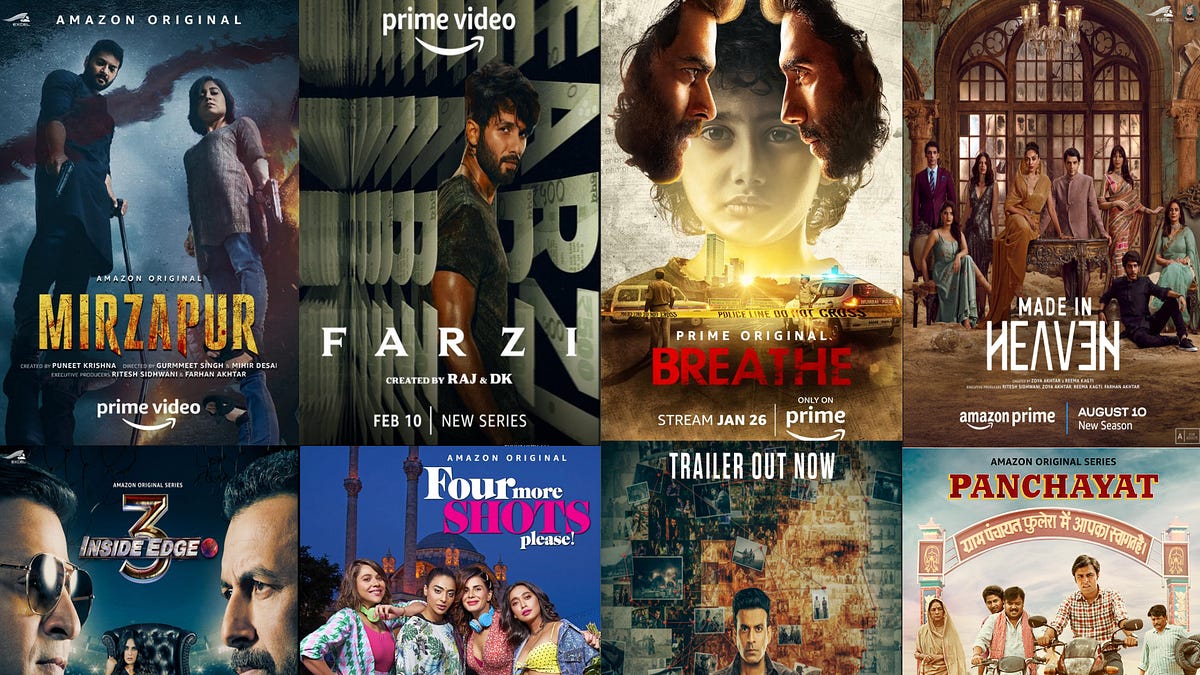
At the APOS media conference in Bali, Amazon Prime Video outlined its vision for the future of streaming across the Asia-Pacific region, arguing that success will come not from a single subscription service but from creating a comprehensive “entertainment hub.” The company believes consumers increasingly want a unified platform that combines original programming, third-party channels, rentals, and additional subscriptions under one account and billing system.
The strategy was presented during a session titled “The APAC Playbook: How Prime Video Is Shaping Streaming’s Future.” It reflects a wider industry trend away from stand-alone streaming platforms and toward aggregation, bundling, and strategic partnerships—a theme that has surfaced repeatedly throughout this year’s APOS conference.
A Region Too Diverse for One Formula
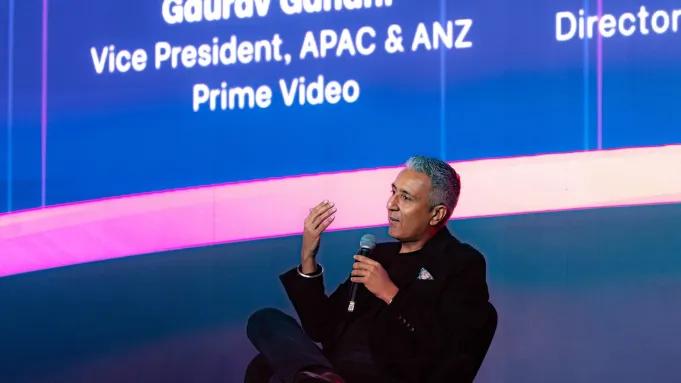
Speaking with Media Partners Asia CEO Vivek Couto, Gaurav Gandhi, Prime Video’s Vice President for Asia-Pacific, Australia, and New Zealand, emphasized that the APAC region is too diverse for a uniform strategy.
“We may operate under a common business model, but there cannot be a single playbook for a region as varied as APAC,” Gandhi explained.
According to him, only two core principles remain consistent across Prime Video’s major Asian markets. First, the service is integrated into Amazon Prime memberships. Second, it functions as an entertainment hub that combines its subscription offering with add-on channels and transactional video rentals.
This approach is designed to benefit both consumers and content providers. Customers gain access to a broader range of entertainment through a single platform, while content partners can reach larger audiences without having to build and maintain their own technology infrastructure, payment systems, and distribution channels.
Prime Video currently collaborates with more than 600 content partners globally. Gandhi noted that these include over 70 partners in Japan, more than 50 in Australia, and over 30 in India. Many of these companies rely on Prime Video as a major route to market.
Streaming Industry Moves Toward Aggregation
Although Prime Video’s strategy is not entirely new, it arrives at a time when the streaming industry across Asia is entering a more mature phase. The intense battle for subscribers that defined the early years of streaming is gradually giving way to partnerships, bundles, and content aggregation.
This shift is especially relevant in Asia, where developed markets are crowded with competitors and emerging markets often present profitability challenges.
Several examples highlighted this trend during APOS. Southeast Asian streaming platforms Viu and iQIYI International recently introduced a bundled offering, while Disney+ partnered with CJ ENM’s Tving in Japan toward the end of last year. Against this backdrop, Amazon is positioning Prime Video as a central platform that other services can connect to rather than compete against directly.
India Becomes the Centerpiece of the Strategy
India has emerged as the most advanced example of Prime Video’s entertainment hub model and remains the company’s largest market in Asia.
A key part of this strategy is the integration of Amazon MX Player, which allows Prime Video to combine a free ad-supported content layer with its premium subscription service.
Through this combination, Prime Video now markets itself as India’s largest streaming destination for exclusive original content. By merging Prime Video’s paying subscriber base with MX Player’s massive free audience, Amazon is creating a platform that it believes can compete at scale with major players such as JioStar.
Shilangi Mukherji, who oversees Prime Video India’s subscription business, used the APOS stage to reflect on the platform’s decade-long presence in the country.
She highlighted Prime Video’s strong focus on local-language programming and original productions. More than 60 percent of Indian users stream content in four or more languages, and the platform currently supports programming across ten languages, with major investments in Hindi, Tamil, and Telugu content.
Mukherji also revealed that India now hosts the largest collection of Prime Video originals outside the United States. The platform has launched over 100 original titles, has another 100-plus projects in development, and has renewed approximately 60 percent of its original series for additional seasons.
She pointed to the establishment of local operations by Amazon MGM Studios and the growing popularity of movie rentals as signs that Indian audiences are increasingly willing to pay for premium entertainment experiences at home.

Japan Marks a Decade of Growth
Japan, Prime Video’s second-largest market in the Asia-Pacific region, is also celebrating ten years of operation.
Prime Video Japan Country Manager Keisuke Oishi reflected on the challenges the company faced when entering the market in 2015.
At that time, Japanese viewers remained heavily reliant on traditional free-to-air television, and subscription streaming services were still relatively unfamiliar.
“We essentially had to create a new category of subscription video entertainment in a market where most consumers were accustomed to watching free television,” Oishi said.
Over the past decade, Prime Video Japan has expanded its offering around four major content categories: anime, scripted programming, unscripted entertainment, and live sports.
One notable success has been the company’s live boxing initiative, which launched in 2022 and has since grown to include 15 major events. Prime Video has also achieved strong engagement through adaptations of popular manga titles, which have resonated strongly with Japanese audiences.
APAC as a Source of Innovation
Gandhi stressed that Asia-Pacific plays a crucial role in Amazon’s long-term global strategy. Beyond being an important source of subscriber growth, the region has become a testing ground for innovations that may eventually influence Prime Video operations worldwide.
He highlighted India’s mobile-focused subscription plans, tiered pricing structures, and multilingual content strategy as examples of ideas that originated in the region and could potentially be expanded into other markets.
As streaming competition evolves, Prime Video believes the future lies not in offering a single service but in creating an integrated ecosystem where audiences can access all forms of entertainment in one place. Through aggregation, localization, and strategic partnerships, Amazon is betting that the entertainment hub model will define the next chapter of streaming growth across Asia-Pacific and beyond